
When it comes to tree care, many homeowners might think that simply watering and waiting is enough. However, trees, much like us, require a bit more than just the basics to thrive. Just as we visit a doctor for regular check-ups, our leafy friends need an attentive approach to trimming and pruning.
Understanding different tree trimming techniques not only preserves their health but also enhances the beauty of your landscape. In this article, we’ll dive into the various types of tree trimming and how they can contribute to creating a vibrant, safe, and stunning outdoor space for you to enjoy. Let’s dig in!
Types of Tree Trimming
When it comes to tree trimming, understanding the different techniques can make a world of difference in achieving healthy, beautiful trees. Let’s explore the various methods and their specific applications.
Maintenance Trimming
Maintenance trimming is essential for keeping trees healthy and enhancing their visual appeal. This technique focuses on regularly scheduled pruning to remove dead or damaged branches, ensuring that trees maintain their aesthetic qualities without sacrificing their health. Ornamental trees, in particular, benefit from this consistency. Homeowners who invest in maintenance trimming discover that it keeps their trees looking elegant and prevents minor issues from escalating.
Structural Pruning
Structural pruning is all about foresight. Rather than simply addressing immediate concerns, this technique aims to establish a solid skeletal structure for young trees. By selectively removing branches that may impede growth or are poorly spaced, structural pruning encourages a strong central trunk and a well-balanced canopy, crucial for catching light effectively.
This practice is particularly beneficial for fruit-bearing trees like apple and pear trees, as it promotes higher yields by ensuring that the branch architecture supports robust fruit production.
Emergency Tree Trimming
Unlike maintenance and structural pruning, emergency tree trimming operates in the realm of reaction rather than prevention. This type is executed when branches pose an immediate hazard due to severe weather conditions or disease signs.
For instance, after a heavy storm, emergency tree trimming might involve swiftly removing broken limbs that hang dangerously over pathways or structures. While reactive, emergency trimming is critical for preserving safety in your environment.
Recognizing the unique purposes of these tree trimming techniques empowers homeowners to make informed decisions regarding tree care—ultimately fostering a safer and more appealing landscape as they continue to learn about the positive impacts on tree vitality.
Benefits for Tree Health
Regular pruning offers vital advantages that extend far beyond aesthetics. A core benefit lies in disease prevention. By routinely trimming your trees, you actively remove branches that may be diseased or damaged, significantly reducing the risk of spreading those conditions to other parts of the tree or even neighboring flora.
Studies, such as one by the ISA (International Society of Arboriculture), indicate that trees receiving regular maintenance present a staggering 25% lower incidence of fungal infections compared to their untrimmed counterparts. This simple act can save your trees from potential decay and keep your entire garden ecosystem thriving.
This focus on disease prevention naturally leads to another critical advantage: enhanced growth.
Enhanced Growth
Trimming away dead or overcrowded branches is like providing a breath of fresh air for your trees. With unnecessary limbs out of the way, sunlight finds its way to the central and lower branches, stimulating greater photosynthetic activity. This chain reaction results in healthier foliage and encourages new growth, allowing your trees to flourish fully.
According to the USDA, trees subjected to regular trimming are 30% more likely to reach their full height potential swiftly compared to those that aren’t pruned. Imagine enjoying a robust apple tree heavy with fruit, all because you took the time to maintain it properly!
Beyond growth and health, safety becomes an integral facet of regular pruning practices.
Addressing hazardous branches promptly prevents potential disasters before they happen. A branch hanging precariously can pose risks not just to your property but also to people in the vicinity. By removing these danger zones early on, you’re engaging in proactive risk management that keeps both your landscape neat and safe.
The peace of mind that accompanies knowing your trees are well-maintained cannot be overstated—it’s not just about saving money on potential repairs; it’s about protecting lives as well.
All these benefits highlight how essential maintaining tree health is for creating a safe and beautiful environment.
Taking some time each year for pruning can lead to remarkable benefits—healthier trees, abundant growth, and maintained safety. For expert assistance with these tasks, remember that professional services like those at Winkler’s Tree Service are always available to help guide you through proper care techniques tailored specifically for your trees’ needs.
As we explore further into effective methods for managing tree canopies, we will uncover additional insights that contribute not only to aesthetics but also to overall tree vitality.
Height and Crown Reduction Methods
When it comes to a tree’s growth, sometimes taller isn’t better. The need for height reduction arises when trees stretch too close to power lines or encroach on a neighbor’s property. This technique focuses on lowering the total height of the tree while ensuring its overall health and vitality remain intact.
Proper execution can help alleviate safety concerns, especially in storm-prone areas. By taking off upper branches responsibly, you allow more sunlight to penetrate through the canopy, which also helps lower the risk of falling branches during heavy winds.
It’s crucial to remember that while trimming downwards can save a tree from disaster, crown reduction is another key method used to maintain a tree’s shape and structure.
Crown Reduction
Crown reduction involves selectively pruning the upper branches of a tree to decrease its overall size while preserving its natural form. According to data from the National Arborists Association, this approach is most commonly utilized on older, mature trees that require significant pruning. Its primary goal is not just aesthetics but also the practical benefit of managing excessive overgrowth, which can become problematic if left unchecked.
While crown reduction is effective for controlling canopy size, it requires careful planning and expertise. This complexity means that professional arborists often handle this technique, as improper cuts can lead to stress or long-term damage to the tree. It’s essential for each cut to be clean and made above the branch collar—the area where the branch meets the trunk—to encourage optimal healing.
Furthermore, timing plays a vital role in both height and crown reduction methods. Performing these trims during the tree’s dormant season—generally late winter to early spring—not only minimizes stress on the plant but also enhances regrowth after pruning.
Consulting with skilled professionals who understand these processes can provide invaluable insights into which method best suits your specific tree needs. The care you show your trees today will determine their resilience tomorrow, safeguarding your home and enhancing your landscape for years to come.
Hiring Professional Tree Trimmers
With the complexity and risks involved in tree trimming, hiring a professional can often be the best course of action. A qualified tree care expert not only brings expertise to the task but also significantly reduces the potential for accidents.
According to the Tree Care Industry Association, relying on professionals for tree trimming reduces the risk of accidents by nearly 80%. This statistic underscores the importance of trusting trained individuals when dealing with potentially hazardous work.
Credentials and Experience
When selecting a tree service, it’s crucial to verify their credentials and examine their experience. Look for companies that employ certified arborists. These professionals have undergone rigorous training to understand the science behind trees, including their biology, health, and maintenance needs.
At Winkler’s Tree Service, our team comprises ISA-certified arborists who apply their extensive knowledge to ensure each tree receives tailored care. They know how to identify issues that may not be visible at first glance, such as disease or improper growth patterns, safeguarding your investment in your landscape.
Recognizing the qualifications of your tree trimmer sets the foundation for successful maintenance; however, financial considerations should also play a role in your decision-making process.
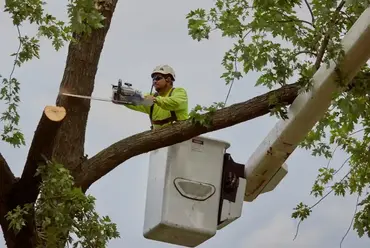
Maintain Strong and Beautiful Trees with Expert Trimming
Maintaining strong and beautiful trees requires expert care, and Winkler Tree & Lawn Care is here to help. Our professional tree trimming services in Chicagoland ensure your trees stay healthy, vibrant, and safe year-round. Proper trimming not only enhances the appearance of your landscape but also prevents potential hazards caused by overgrown or weakened branches. With our experienced team and precision techniques, we tailor our services to meet your tree’s unique needs.
Contact Winkler Tree & Lawn Care today at 708-544-1219 and let us help you preserve the beauty and longevity of your trees.
