
Tree trimming might seem like just another chore in our busy lives, but did you know it can be the secret to a longer, healthier life for your trees? Taking the time to prune isn’t just about keeping your yard looking neat; it’s a vital part of ensuring your trees thrive. By investing in regular trimming, you’re not only promoting healthy growth but also saving yourself potential headaches down the road caused by overgrown branches or diseased limbs.
Join us as we explore why tree trimming is essential for prolonging the life of your leafy companions and discover practical tips to keep them flourishing!
How Regular Tree Trimming Promotes Healthy Growth
One of the most significant benefits of regular tree trimming is its ability to enhance light and air penetration. When trees grow, they often develop dense canopies filled with excessive branches and leaves. This crowded growth can block sunlight and airflow from reaching inner branches and leaves, which are essential for photosynthesis and respiration.
By cutting back on unnecessary growth, trimming opens up the canopy, allowing sunlight to flood in and enabling proper airflow. This not only supports healthier leaves but also reduces the risk of fungal diseases that thrive in dark, moist conditions—the very environments created by overcrowded foliage.
The relationship between a tree’s productivity and its structure becomes clearer when we think about how it allocates nutrients.
Just as important as enhancing light and air access, regular trimming prevents nutrient wastage in trees. Imagine a tree as a business with many departments; each branch corresponds to a different department within that organization. When some departments become less productive—think of those unproductive or unhealthy branches—it’s more efficient to trim them back.
This allows the business to allocate its resources effectively, ensuring optimal productivity across all areas. Similarly, by removing unproductive branches, trees can concentrate their nutrients on healthy parts that genuinely contribute to growth, leading to an increase in vigor, resilience, and overall health.
Beyond aiding individual trees, there are additional advantages that regular pruning practices offer.
Supporting Structural Integrity
Regular trimming also plays a critical role in maintaining a tree’s structural integrity. As trees mature, some limbs may grow unevenly or become weak due to disease or damage. By regularly evaluating and pruning these vulnerable limbs, homeowners can help prevent breaks or falls during storms or high winds.
Trees with strategically pruned limbs not only look better but are also far more resilient against natural stresses, making them less likely to sustain serious damage.
As we continue to explore the benefits connected with tree care practices, further insight into specific techniques will shed light on maintaining long-term tree health.
Benefits of Pruning Trees
Pruning is not merely an aesthetic choice; it plays a significant role in enhancing the health and longevity of trees. Regular pruning significantly impacts how a tree grows, affecting its structural integrity and overall vitality. Think of trees as living organisms that require food, water, and thoughtful care to thrive.
Maintenance of Size and Shape
One of the primary benefits you will notice when you prune a tree is the management of its size and shape. Just like trimming a hedge encourages it to fill out nicely, pruning helps ensure your tree maintains a pleasing form without becoming unruly. This controlled growth minimizes the risk of branches encroaching on power lines or structures, potentially leading to substantial damage during storms or high winds. Proper shaping also allows sunlight to penetrate through the canopy, enabling lower branches to flourish.
Beyond aesthetics and safety, another compelling reason for regular pruning lies in disease control.
Disease Control
Keeping your trees healthy necessitates proactive measures against disease. Research has shown that trees with dead or diseased branches are more susceptible to various ailments that can spread throughout the entire tree. This creates a domino effect that often results in costly interventions or even removes the tree entirely if its condition declines too far.
By removing problematic areas, you effectively minimize the risks posed by potential pathogens. Moreover, this simple act can save you money in the long run—treatments for tree disorders can be incredibly expensive.
As we recognize disease prevention as a primary benefit, let us now look at how pruning can enhance structural integrity.
Enhanced Structural Integrity
Especially important for young trees, pruning helps mold their growth toward a strong and balanced structure. When pruned correctly at an early stage, it lays the foundation for robust development that can better withstand environmental stresses such as heavy winds or significant fruit loads.
For instance, fruit trees can be particularly vulnerable to breakage when laden with bountiful crops; proper pruning provides branches with adequate support while distributing weight evenly throughout the canopy. This preventative measure keeps your tree healthy and enhances its productivity.
With these insights into how proper care influences your trees’ vigor, the next focus will be on ensuring effective techniques to achieve optimal results during maintenance.
Steps in the Tree Trimming Process
The first critical step is inspection, where you take a close look at your tree. It’s not enough to simply glance up and see some overgrown limbs. Rather, you must be meticulous, looking for any signs of disease or decay. This means checking for dead branches that lack leaves, discolorations on bark, or any nests of insects that could be causing issues. Identifying these problem areas allows you to focus your efforts where they are most needed.
Once you’ve inspected and identified the branches requiring attention, it’s time to move on to planning the cuts. Here, you must determine which trimming method will best serve your tree’s health—be it crown cleaning, thinning, raising, or reduction. Each of these techniques has its purpose: while crown cleaning removes dead or diseased wood, thinning allows more sunlight to penetrate through the canopy. By clearly understanding these objectives, you can prevent over-trimming and avoid unnecessary stress on your tree.
The third step in the process involves making actual cuts. Using clean, sharp tools is essential; dull blades can damage the bark and introduce pathogens. For small branches up to an inch in diameter, pruning shears are your best bet; for those larger than that but under two inches, opt for loppers; and for anything exceeding two inches in diameter, a pruning saw should be employed. When cutting, remember to trim just outside the branch collar—a growth ring around the base of the branch—this facilitates quicker healing and minimizes the chance of infection.
After completing your trimming task, don’t overlook the importance of cleanup. Remove all cut branches and debris from around your tree promptly. Leaving waste can create habitats for pests or diseases that could threaten other parts of your yard. In addition to pest management, a tidy lawn boosts curb appeal. It’s simple actions like these that ensure a positive outcome from your trimming efforts.
Now that you’ve got a handle on how to trim trees effectively, let’s shift our focus to the important skill of identifying branches that pose risks to the overall health and structure of your trees.
Related Article: Understanding the Different Types of Tree Trimming
Identifying and Removing Problem Branches
Not all branches serve the tree—they can, in fact, become burdens, leading to long-term damage if left unattended. A proactive approach goes beyond mere aesthetics; it’s about fostering a healthy environment for your trees to thrive. When it comes to identifying which branches need attention, it’s important to look for specific signs that indicate trouble.
Types of Problem Branches
- Dead and Dying Branches: These are often easy to spot; they appear brittle and lack foliage. Unfortunately, they can act as magnets for pests and diseases that threaten the health of your entire tree.
- Crossing Branches: This category includes branch pairings that rub against each other during storms or high winds. Such friction wounds the bark and creates entry points for harmful insects and pathogens.
- Water Sprouts and Suckers: Fast-growing but weakly attached, these branches sap energy from the tree’s core functions. They often sprout from the base or along larger branches and need to be pruned back to redirect vital nutrients where they are needed most.
It’s natural for homeowners to feel overwhelmed by all this potential work, but neglecting these problem branches can lead to dire consequences. Imagine a 20-year-old maple tree in a local backyard—an impressive landscape feature until a single crossing branch began to rub against another. Over time, that slow act of abrasion created an open wound that turned into an infection and ultimately spread throughout the tree’s structure. This tree meant so much to the homeowner, yet initial inattention led to its decline.
Addressing these issues quickly can save not just individual branches but also enhance the overall vitality of your cherished trees. While some tasks might seem manageable, the precision required in branch removal often calls for a practiced eye.
That’s where professional intervention can prove invaluable. Certified arborists possess both the training and tools necessary to identify not just obvious problems but also subtle flaws within the tree’s structure that might go unnoticed by the untrained eye. They can implement targeted strategies that foster healthy growth while minimizing potential hazards—ensuring no branch becomes a threat to your home or garden.
Regular inspections coupled with timely pruning can extend not only the life of your trees but also maintain safety around your property. Thus, keeping tabs on those troublesome branches makes all the difference—not just for appearance but for overall health, resilience, and safety.
Recognizing these issues early on is crucial for maintaining a thriving landscape; expert insights often illuminate pathways towards effective solutions that ensure your trees remain healthy and safe for years ahead.
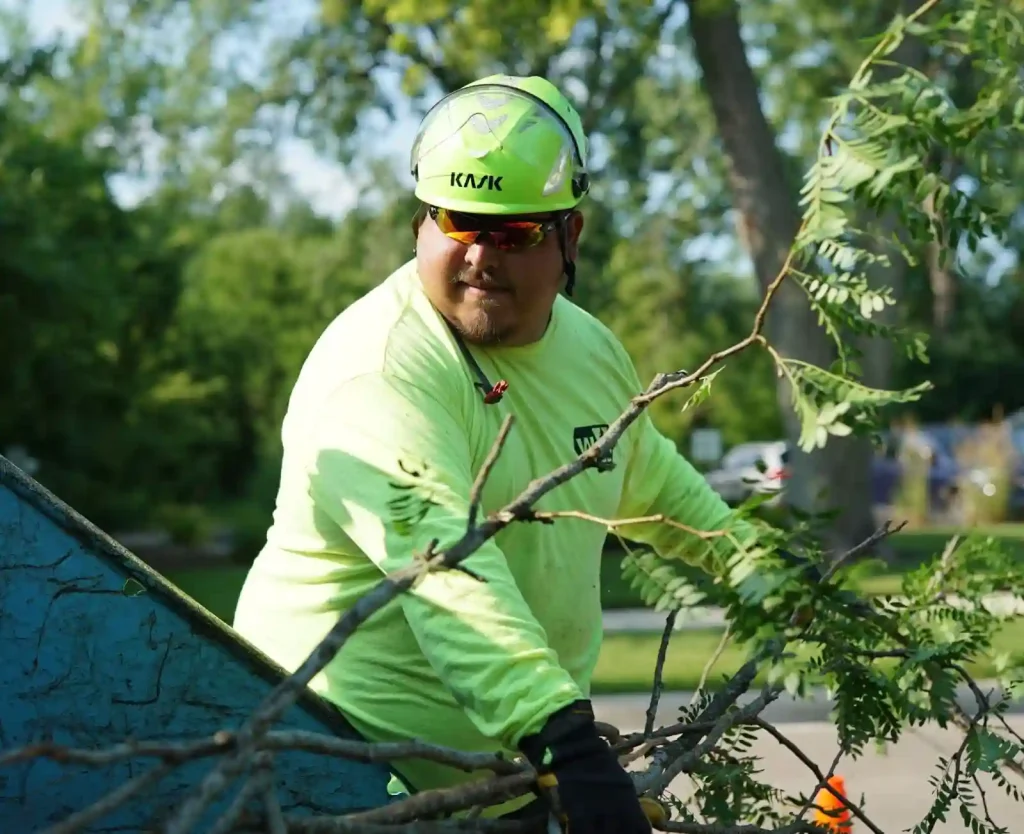
Prevent Disease and Decay with Regular Tree Maintenance
Keeping your trees healthy requires more than just occasional watering—regular trimming is essential to prevent disease and decay. At Winkler Tree & Lawn Care, we provide expert tree maintenance services in Chicagoland to remove dead or diseased branches, allowing your trees to thrive. Our professional trimming techniques promote healthy growth, reduce the risk of pest infestations, and enhance the overall beauty of your landscape.
Protect your trees and extend their lifespan with our trusted care. Contact us today at 708-544-1219 to schedule your tree maintenance service.
