
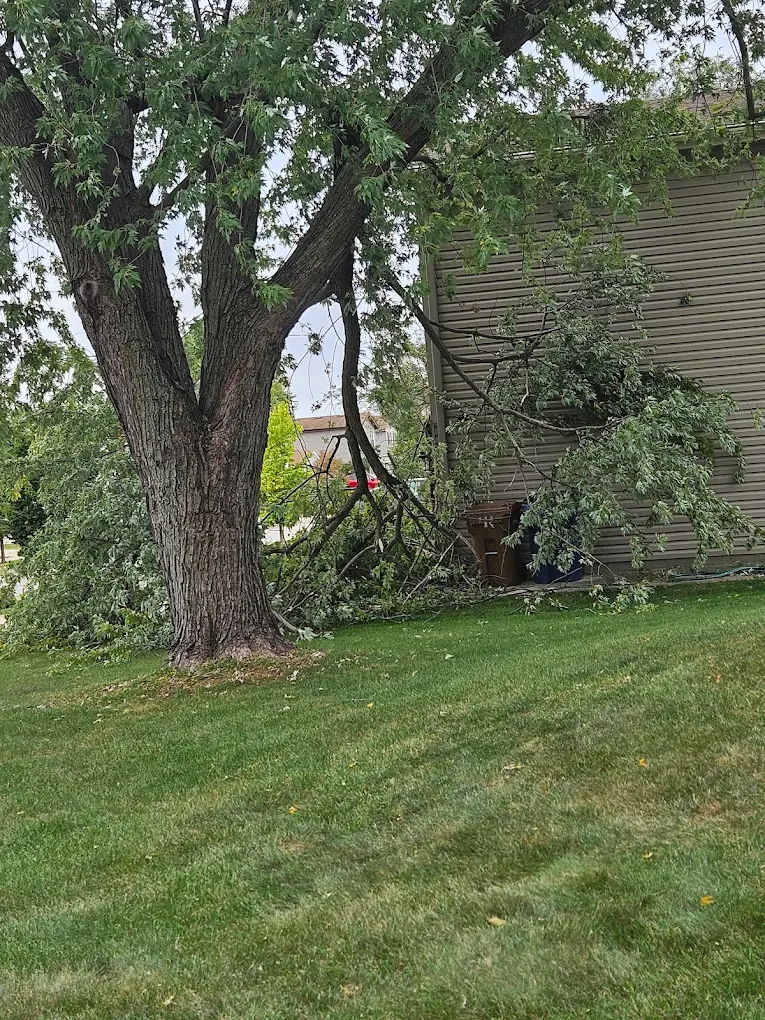
When branches are scattered across your yard, it’s always a bit jarring, even on a perfectly still day. Most folks immediately blame bad weather, but that’s not always the full story. Trees, just like us, go through cycles and deal with environmental pressures that can make branches snap without a cloud in sight. When this happens, it usually means there’s a hidden issue you’ll want a certified arborist to check out, pronto.
Ever wonder why a tree branch might suddenly fall when there isn’t a storm brewing? Knowing the real reasons behind it can genuinely help keep your property and family safe, and your yard looking its best. Here at Winkler Tree & Lawn Care, our ISA-certified arborists cover all of Chicagoland. We’re ready to help with expert tree risk assessments, advanced pruning, and complete plant health care services. Trust me, we’ve seen pretty much everything, from mild to wild.
Unexpected Branch Drops: A Serious Hazard
A fallen branch on a perfectly still day is definitely jarring, isn’t it? For any property owner, that’s a clear warning. Often, it’s a sign of deeper problems: internal decay, disease, pests, or just plain old environmental stress. These issues really compromise a tree’s structural strength. Ignoring those red flags could easily lead to bigger headaches, from damaged property to someone actually getting hurt. To truly care for your trees, you’ve got to figure out what’s going on.
It’s unsettling to find fallen branches in your yard, even on a calm day. So, why do they sometimes just snap and fall when there’s no storm in sight? Now, if it’s only tiny, dead twigs, that’s usually no big deal; the tree’s just shedding. But if you’re seeing bigger branches on the ground, that’s a pretty clear warning sign. It usually points to hidden issues that really need a certified arborist’s eye. Understanding why branches drop unexpectedly can keep your property and loved ones safe, and it helps keep your landscape healthy. An expert assessment is incredibly valuable here; trained arborists are fantastic at spotting subtle signs of decay or weakness that most of us would totally miss.
Limb Failure Often Means Rot and Weakness
Ever seen a tree branch just drop, without any wind or a storm to blame? It’s unnerving. Most of the time, the real problem is some kind of internal decay or a weak spot you just can’t see. The frustrating part is, you often won’t even realize there’s an issue until the branch finally breaks. Decay usually comes from various fungi that slowly break down wood fibers, basically hollowing out a branch from the inside or weakening its connection to the main trunk. These fungal infections can sneak in through old pruning cuts, storm damage, or even tiny insect holes. They spread silently until the branch simply can’t hold on anymore. This is a particularly sneaky problem.
Some tree species are just more prone to internal rot, making regular check-ups even more important for them. Fast-growing trees, for example, often have weaker wood and simply can’t handle as much stress.
Tree Diseases and Pests: The Silent Killers of Branches
Don’t underestimate the damage diseases and pests can cause. They’re incredibly sneaky, playing a huge role in why branches suddenly fall. When a tree is fighting a serious disease or infestation, it reroutes resources just to survive, meaning its branches often suffer. Take fungal diseases like cankers: they can girdle branches, essentially cutting off their water and nutrient supply. This often leads to the branch slowly dying and eventually breaking off. Plus, vascular diseases, like Dutch Elm Disease or Oak Wilt, can cause branches to decline really fast. It’s a truly sad sight, I’ve seen it too many times.
Annoying insects like borers and bark beetles just love tunneling through branches. As they do, they mess with the tree’s sap flow and seriously weaken the wood. Over time, this damage can make a branch so fragile it breaks from its own weight. To care for trees effectively, you’ve got to find the root cause. Catching these problems early is crucial! Look for discolored leaves, stunted growth, or even tiny exit holes from insects. These are big clues a problem’s brewing long before branches start dropping. Our plant health care (PHC) programs are designed to tackle these exact threats, in my experience.
Weak Spots and Poor Pruning Can Lead to Branch Breakage
It’s not always disease or rot that causes trouble for trees. Sometimes, a tree’s own shape or even old, poorly done pruning can make branches much more likely to fall. Consider those weak points where two branches grow too close together or at a really sharp angle; they just don’t have enough wood to hold up. These V-shaped unions are super risky for splitting, especially as branches get heavier. Then there are co-dominant stems, which are basically two main trunks fighting for the lead. This creates serious instability for the whole tree. These kinds of situations often lead to accidents, I’d argue.
Poor pruning, honestly, is a major culprit in branch problems. Take "topping," for instance, where someone just lops off large sections of a tree’s crown. This puts immense stress on the tree, often prompting a flush of weak, fast-growing shoots called "water sprouts" or "epicormic growth." These aren’t well-attached and break easily, dramatically increasing the risk of falling branches. Getting professional tree pruning is probably the best single step you can take to prevent branches from crashing down. When an ISA-certified arborist handles it, they’re not just chopping away; they’re making careful cuts to remove dead, diseased, or weakly attached branches. This simply eliminates potential hazards. Good pruning also strengthens the tree’s overall structure, encourages healthy new growth, and improves air circulation, which helps ward off diseases. The right cuts mean the tree heals properly, stopping decay from setting in. This really matters for a tree’s long-term health.
Environmental Stress Can Topple Tree Limbs
Ever seen a tree branch just drop, without any wind or a storm to blame? It’s pretty unnerving, isn’t it? Environmental stress truly hits trees hard, causing limbs to snap unexpectedly. Trees in busy urban areas, like our neighborhoods in Chicago, Oak Park, and River Forest, are especially vulnerable. Things like compacted soil, long dry spells, those wild temperature swings we get, and not enough nutrients all gang up on them. They seriously damage a tree’s health and its ability to stay strong. What’s more, these stressors often combine, making trees even more open to issues like diseases and pests. City trees really don’t have it easy!
Understanding how our local environment impacts trees is absolutely crucial for heading off bigger problems. While we can’t control the weather, obviously, we can certainly plan to minimize its effects and strengthen a tree’s natural resilience. This involves keeping the soil in good shape, providing enough water during dry spells, and fertilizing strategically to deliver those vital nutrients right where they’re needed. Catching the subtle signs of environmental stress early allows homeowners to act before branches start crashing down. A little prevention goes a very long way, don’t you think?
When Intense Heat and Dry Spells Hit Hard
Blistering heat and extended dry periods are incredibly tough on trees; it’s a common reason why branches end up falling. Trees really depend on a steady water supply to transport nutrients and keep their cells plump, which helps them stay strong. When water becomes scarce, trees shift into survival mode. They might start dropping leaves or even whole branches just to conserve what little moisture they have. This process, often called ‘dieback,’ can seriously weaken branches, making them brittle and prone to snapping. It’s a challenging situation for them.
Here in Chicagoland, we certainly get our share of dry spells and heat waves, which can be absolutely brutal for trees, especially younger ones or those recently planted. Without enough water, the wood inside branches dries out, becoming incredibly fragile. You might not even notice a branch snap immediately, but this constant stress leaves them vulnerable to even light winds or their own weight. Seriously, consistent watering, particularly during dry periods, is crucial to prevent this kind of stress and keep those branches from just dropping unexpectedly.
Sudden Temperature Swings Can Cause Branches to Fall
Those wild temperature changes we often see here in the Midwest can really stress out tree branches. When things freeze and thaw too quickly, it can actually split a tree’s bark and wood. This is especially true for younger trees or those with thinner bark. We call this ‘frost cracking,’ and it genuinely makes branches super weak. Plus, really cold snaps can lead to ‘winter desiccation.’ This means branches lose more water than they can possibly absorb from frozen ground, which results in dieback and overall weakness. It’s a tough life for a tree, I’m telling you!
Those strange warm spells, especially when they suddenly crash into brutal cold, really mess with trees. They can trick trees into
When Soil’s Too Compact, Trees Can’t Get Enough Nutrition
City life is tough on trees, let’s face it. Really compacted soil and a lack of nutrients are huge culprits when branches just give up and drop. Think about it: soil gets squished, especially in high-traffic areas, from construction, or from vehicles. This squeezing chokes out all the air pockets, stopping tree roots from breathing. If roots can’t breathe, they also can’t grab the water and food they need, which just destroys the tree’s health. It’s a nasty cycle, believe me.
When a tree fights to pull vital nutrients from poor soil, or if other plants are just hogging everything, its growth slows dramatically. Its natural defenses weaken, and the wood itself can actually become brittle. You’ll often notice stunted growth, yellowing leaves, or leaves dropping off too early. Over time, these stressed trees are much more likely to get sick, attract pests, or simply fall apart. And that’s when you see those branches on the ground. Improving soil health with aeration and targeted feeding, often part of a complete plant care plan, can truly boost a tree’s toughness, I’ve found.
Keeping Your Trees Safe: What You Can Actually Do
Having a professional check your tree for risks is one of the smartest moves you can make. It genuinely helps you spot potential dangers well before branches start falling unexpectedly. An ISA-certified arborist can assess a tree’s overall health, its structural integrity, and whether it’s likely to fail. This helps homeowners make informed choices about keeping their trees healthy. And we’re not talking about a quick glance; it’s a really thorough examination of the tree’s crown, trunk, base, and everything surrounding it. It’s a key part of good tree care, in my experience.
Taking steps ahead of time, like proper pruning, smart fertilizing, and managing diseases, is crucial for keeping your yard healthy and safe. Investing in professional tree care doesn’t just protect your property; it helps your trees live longer and look better. Please, don’t wait until falling branches become a constant headache. Act now to keep your trees in the Chicagoland area safe and thriving.
Why Professional Tree Pruning Truly Matters
One of the smartest things you can do to prevent falling branches is to get your trees pruned by a pro. When an ISA-certified arborist handles it, they’re not just hacking away. They’re making really precise cuts to get rid of branches that are dead, diseased, or poorly attached, which removes potential hazards. Good pruning also strengthens the tree’s overall structure, encourages healthy new growth, and boosts air circulation, which helps a ton in keeping diseases away. The right cuts mean the tree heals properly, stopping decay from setting in. This is a big deal for a tree’s health.
It’s surprising, but most tree problems actually come from poor pruning. Shoddy work often leads to weak new growth, which makes your tree super vulnerable to breakage. Frankly, regular care, like annual check-ups, really helps you catch issues such as pests or diseases before they turn into a massive headache. A well-cared-for tree is always a safer tree; it won’t suddenly drop branches on your house. Our team, you should know, really focuses on precision pruning that’s just right for each tree species and its specific spot, especially here in Cook County.
An Expert’s Eye: Spotting Trouble Before Branches Fall
To keep those branches from crashing down unexpectedly, you really need an expert’s help. Homeowners absolutely must keep an eye out for specific warning signs that tell you a tree might be in trouble.
- Dead or dying branches: Look for branches that are completely bare or have discolored, brittle leaves. Those are major warning signs.
- Cracks or splits: Any cracks in the trunk or main limbs usually point to an issue. They often mean the tree isn’t stable anymore.
- Fungus or conks: Seeing mushrooms or any fungal growth on the trunk or branches? That’s a pretty clear indicator of internal rot.
- Hollow spots: Notice any large holes or hollowed-out parts in the trunk or limbs? That means a lot of wood inside has vanished, which is never a good sign.
- Leaning: A sudden, obvious lean in a tree often suggests unstable roots. It’s definitely something you’ll want inspected.
- Included bark: This happens when bark grows inward between two stems instead of forming a strong, solid connection. Not ideal, believe me.
- Pest activity: Watch for insect boring dust, exit holes, or a lot of missing leaves. These are all clues that something’s amiss.
If you spot any of these issues, I’d argue it’s time to call an ISA-certified arborist from Winkler Tree & Lawn Care. Our team can do a thorough tree risk assessment, figure out exactly what’s happening, and then suggest the right solution, whether it’s a specific treatment or a safe removal. We’re proud to help communities like Irving Park and Elmwood Park, offering quick, professional service to keep your property safe. Don’t wait; catching these problems early is absolutely crucial!
Your Questions, Answered
Branches Dropping When It’s Calm? What Gives?
When branches are scattered across your yard, it’s always a bit jarring, even on a perfectly still day. Most folks blame bad weather, but in my experience, it’s usually a bit more complex. Trees, just like us, go through natural processes and stresses that can cause branches to snap unexpectedly, even on a sunny day. This almost always points to hidden issues that need a certified arborist’s eye. Think internal decay, diseases, pest infestations, or structural problems like weak branch unions or included bark. Even without a huge storm brewing, environmental stress can really weaken a tree, making branches drop out of nowhere. Long stretches of intense heat and drought, for example, stress trees and often cause branches to fall. These aren’t random incidents; instead, they typically stem from a mix of biological, environmental, and pathological factors that slowly weaken a branch until it just gives up, no strong wind required.
What Diseases Cause Branches to Snap?
Things like cankers can basically choke off and kill branches. Then there are vascular diseases, like Dutch Elm Disease or Oak Wilt, which totally mess with a tree’s ability to move water and nutrients. Fungal infections are big culprits too; they cause internal wood decay, making branches brittle and much more likely to snap off. These issues truly compromise a tree’s structural strength.
Do Older Trees Shed More Branches?
Yes, trees absolutely show their age, just like we do. Their wood gets more brittle over time, making it super prone to decay. Plus, as the years pile on, older branches can gather deadwood or develop some pretty serious structural problems. All of this significantly increases the chances of a branch just dropping, even without a major storm, especially when the tree’s under stress. For instance, those wild temperature swings we get here in the Midwest? They can easily make branches snap right off.
So, How Can We Prevent Falling Branches?
Consistent, top-notch tree care is crucial. An ISA-certified arborist should check your trees regularly. This means making sure they’re pruned correctly, getting rid of any dead or weak limbs, and generally keeping them healthy so they can fight off diseases and pests. Don’t forget, they also need enough water and nutrients to handle environmental stress. In urban spots, things like compacted soil and not enough nutrients often make branches more likely to fall. An early tree risk assessment is incredibly useful, as it can spot dangers long before any branches actually drop. Knowing these causes helps you stay on top of things, reducing risks and keeping your trees thriving.
What if a Fallen Branch Looked Fine?
Honestly, even if a fallen branch looks perfectly fine, its sudden break usually screams, "This tree has a serious problem!" You really should call a professional tree service, like Winkler Tree & Lawn Care, right away to inspect the rest of it. An arborist will carefully examine where it broke and the whole tree for any hidden flaws, rot, or other issues. Doing this can prevent more branches from falling later, and frankly, you’ll sleep better knowing it’s been checked out.
Do Trees Only Drop Small Branches?
Sure, trees sometimes "self-prune" by shedding tiny, dead twigs, which usually isn’t a big deal. But if you’re finding larger branches on the ground, that’s definitely not normal. In my experience, this nearly always signals hidden issues needing a certified arborist’s attention. If any branch thicker than a pencil drops unexpectedly, it’s time for a much closer look at your tree’s health and its structure.
Wrapping Things Up
Finding fallen branches in your yard is a bit unsettling, even when it’s not windy, wouldn’t you say? It’s usually a pretty clear warning for homeowners. Often, it points to deeper problems, like internal decay, disease, pests, or just general environmental stress. These issues really compromise a tree’s structural strength. Knowing what makes branches suddenly drop is key to keeping your property and family safe, and your entire landscape thriving.
Here at Winkler Tree & Lawn Care, our ISA-certified arborists are ready to help. We offer thorough tree risk assessments, advanced pruning, and complete plant health care services across Chicagoland. Waiting around for more branches to fall? That’s just asking for trouble, plain and simple. Investing in the professional tree care your property needs isn’t just smart; it keeps your home’s surroundings looking good, safe, and flourishing. Why not give us a call today for an expert assessment? Let’s work together to make your landscape healthier and safer.
