
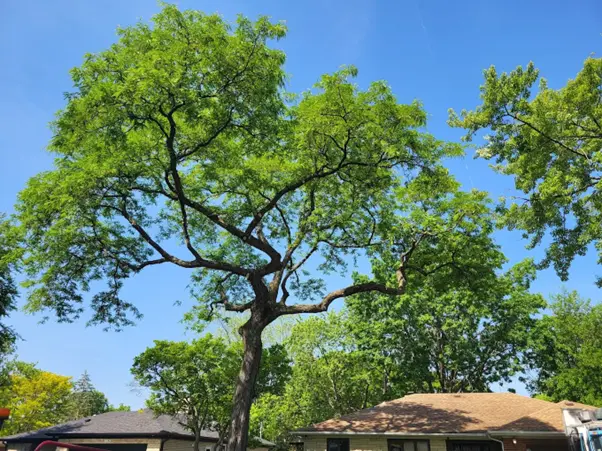
Trees rarely crash overnight. They slip. Leaves thin out. Growth slows. A pest shows up, then comes back the next year. By the time a tree looks “bad,” the problem often started seasons ago.
Plant Health Care, or PHC, helps you get ahead of that slide. Winkler Tree & Lawn Care has worked across the Chicago area since 1975, and we use tree treatments to support health, not chase emergencies. This guide explains the benefits of tree treatments, what PHC tree services look like, and how preventative tree care protects trees over time.
What PHC Tree Services Mean in Real Life
PHC is not one spray, one visit, or one product. It is a plan that changes with the tree, the site, and the season. A good PHC plan starts with observation, then uses targeted work that fits the problem. That matters in neighborhoods with older canopies and stressed parkway trees. Here are the core parts of PHC tree services you should expect.
Regular Checks Catch Problems Early
A trained eye spots small changes fast. Leaf size, leaf color, bud set, bark condition, and branch dieback all tell a story. A quick walk past the tree often misses those details. A scheduled inspection puts the details on record so you can track changes.
Treatments Go Where They Need to Go
PHC tree services focus on the target, not the whole yard. Soil injections place material in the root zone. Trunk injections place material in the tree’s vascular system. Some cases call for a foliar treatment, and the timing matters. Targeted work reduces waste and keeps the focus on the tree.
Soil Work Supports Everything Above Ground
Roots run the show. Poor soil limits water intake and nutrient uptake. Compaction makes it worse. A PHC plan often includes soil testing, soil conditioning, and root-zone support. The canopy reacts once the roots get relief.
The Benefits of Tree Treatments for Tree Strength
Most homeowners want a simple promise. “Will it fix the tree?” Sometimes yes, sometimes no. The real win is strength over time, season after season. Tree treatments help a tree hold its ground during stress years. These are benefits of tree treatments that show up in real yards.
Trees Handle Stress Better
Heat, drought, and late frosts hit Chicago-area trees every year. A stressed tree runs low on stored energy. That opens the door to pests and disease. Preventative tree care supports the tree’s reserves so it can respond with stronger growth.
Canopies Stay Fuller Longer
A healthy tree produces steady leaf growth across the canopy. A declining tree thins from the top or one side. PHC tree services can slow that thinning when the cause is treatable. A fuller canopy means more shade and less branch dieback.
Branches Build Better Structure
Trees under stress often push weak regrowth. That regrowth attaches poorly and breaks more easily later. A PHC plan pairs treatments with proper pruning when needed. The tree then builds a stronger frame over time.
How Preventative Tree Care Helps With Pests and Disease
Pests and disease rarely start with a dramatic moment. They start small, then spread. Early care keeps the problem from gaining momentum. That is the heart of preventative tree care. Below are common ways PHC tree services reduce pressure from pests and disease.
You Break the Repeat Cycle
Many properties see the same pest year after year. Scale. Aphids. Borers. Spider mites. A PHC plan tracks timing and risk so you treat at the right stage. That reduces the chance of chasing the problem after damage spreads.
You Limit Long-Term Decline
Fungal issues and canker problems often progress slowly. The tree keeps leafing out, but it loses strength each year. Tree treatments can support vigor so the tree resists further decline. That can buy years of healthy canopy when the issue stays manageable.
You Avoid Over-Treating
Does PHC mean constant chemicals? No. PHC aims for fewer, better-timed treatments. It uses monitoring so you treat when you need to treat, then stop when you can stop. That protects the tree and reduces impact on the rest of the landscape.
Where PHC Tree Services Save You Money
PHC costs money, so homeowners ask a fair question. “Why pay now?” You pay now to avoid larger bills later. A mature tree takes decades to replace. Removal and replacement cost far more than a treatment plan on a healthy tree. Here are common cost drivers that preventative tree care helps avoid.
Emergency Work Costs More
Storm failures create urgent calls. Crews mobilize fast. Access is harder. Cleanup takes longer. PHC reduces the chance of surprise failures by supporting tree strength and by spotting risk early.
Decline Leads to Bigger Pruning Jobs
When a tree declines, dead wood builds up. Large limbs fail. The next pruning job gets larger and more complex. Early care can reduce how much dead wood forms over time. That keeps pruning needs more reasonable.
Removal Ends the Shade Benefit
A removed tree changes the yard. You lose shade. Cooling costs can rise in summer. Soil dries faster. Smaller plants suffer. Preventative tree care keeps shade trees in place longer, and that protects the value you already have.
What Tree Treatments Often Include
PHC looks different for each property, but the tools stay consistent. The arborist matches the tool to the tree and the problem. Timing matters just as much as product choice. Here are common tree treatment types you may see in a PHC plan.
Root-Zone Feeding and Soil Conditioning
Some trees sit in poor soil. Compaction, construction fill, and low organic matter create stress. Root-zone work aims to improve that environment. Better soil supports better root growth, then the canopy responds.
Trunk Injections for Specific Threats
Some pests and diseases respond best to trunk injections. The treatment stays in the tree’s system. It limits drift and reduces exposure in the yard. An arborist chooses this option when it fits the target and the tree.
Targeted Foliar Treatments
Some issues respond to foliar work, but timing must match the pest life cycle. A mistimed spray wastes money. A good PHC plan uses monitoring and timing so foliar treatments hit the problem stage that matters.
When PHC Makes the Most Sense
Not every tree needs the same level of care. Age, location, and history all matter. Trees in high-stress sites benefit most from steady monitoring and support. You do not need to wait for visible decline to start. Here are situations where preventative tree care tends to pay off.
Large Shade Trees Near Homes
A big tree over a roofline carries risk. A limb failure can damage property fast. PHC supports strength and helps spot defects early. That lowers risk and keeps the tree in place longer.
Parkway Trees and Street Trees
Parkway trees deal with compacted soil, salt exposure, and heat from pavement. They also face damage from mowers and traffic. PHC tree services help these trees hold up under daily stress. That matters in older suburbs with mature canopies.
Trees With Past Pest Pressure
If you fought the same pest twice, you will likely fight it again. A PHC plan tracks risk and timing. It treats early, then checks results. That steady rhythm often beats one-off reactions.
What to Expect After a PHC Visit
A PHC visit should not feel like a sales pitch. It should feel like a clear evaluation, then a clear plan. The arborist starts with the tree’s condition and the site conditions. Then the plan matches the goal, whether that goal is pest control, canopy support, or root-zone improvement.
You will receive a proposal that spells out the work and timing. Some plans include follow-up checks, and those checks matter. Trees change. Weather changes. A good PHC plan adapts so you do not repeat the same guess each season.
Start Preventative Tree Care Before Trouble Builds!
Tree problems rarely announce themselves early. They show up as small changes, then grow into larger failures. PHC tree services give you a way to act early and protect what you already have. If you want a plan that supports real tree health, call Winkler Tree & Lawn Care today. Our passion for protecting the urban forest guides each recommendation, and we will help you choose care that fits your trees and your property.
