
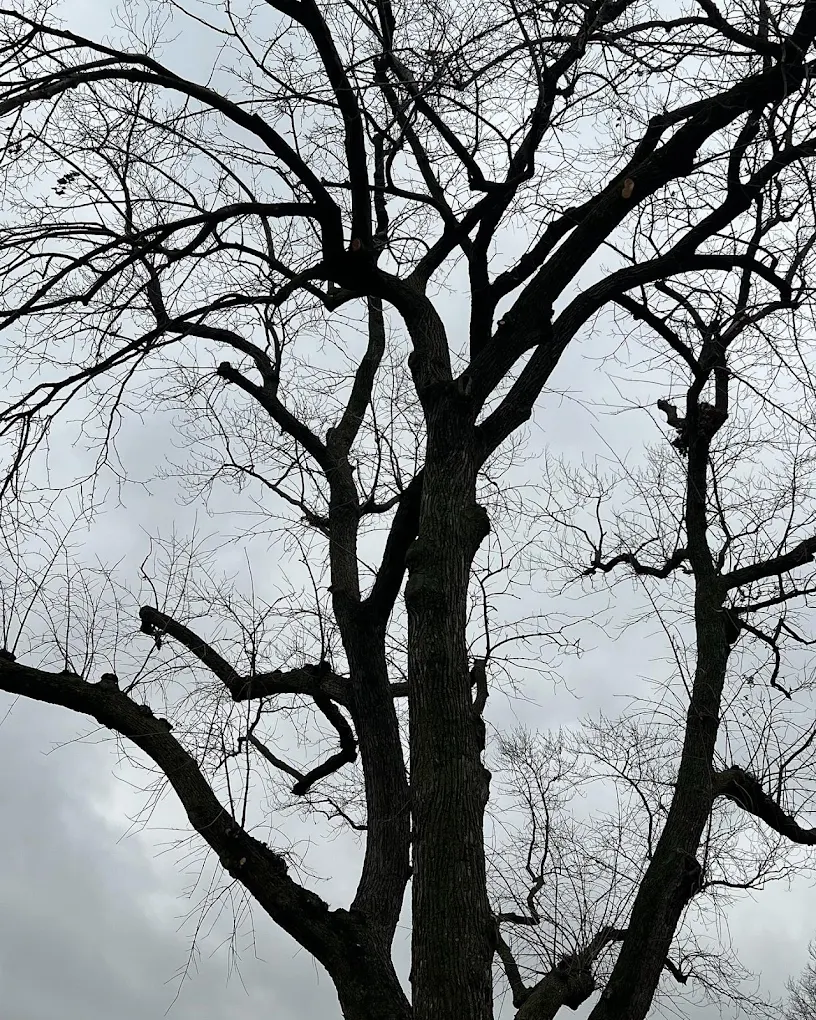
Drought stress in trees is a growing concern for homeowners who watch once-vigorous shade trees decline through dry summers. When leaves yellow, canopy density drops, and branch dieback appears, people worry whether the tree will bounce back or whether the damage is permanent.
That uncertainty is stressful because trees are long-term investments in property value, shade, and neighborhood character. Homeowners face many mixed messages about deep watering, pruning, and whether to call a professional, and making the wrong choice can leave a tree weaker or create a safety hazard.
This article explains realistic expectations for drought-stressed tree recovery, practical steps homeowners can take, and when a certified arborist should evaluate the situation. The goal is to give clear, science-informed guidance so you can protect tree health and safety in La Grange Park, IL.
Can Trees Recover From Drought Stress?
Recovery is possible when the drought episode is limited and the tree still has live tissue and some healthy canopy left. Trees have mechanisms to conserve water and sometimes shed leaves to survive, which means recovery can take months or years rather than days.
Assessing the tree early helps determine the likely outcome because prolonged water deficit can kill fine roots and weaken the cambium, making recovery unlikely without intervention. The best approach is a careful evaluation of crown condition, twig flexibility, and root health before deciding on long-term plans.
Common Signs of Drought Stress in Trees
Leaf scorch looks like browning at the leaf margins or between leaf veins while the rest of the leaf remains green, and it signals a lack of water reaching the leaf tissues. Premature leaf drop is a survival tactic; trees shed leaves to reduce transpiration, but repeated leaf loss weakens carbohydrate stores and slows growth.
A thinning crown and small new leaves in the following season indicate reduced vigor and lower ability to recover from other stresses such as pests or winter injury. Branch dieback begins at the tips and works inward; examining twig flexibility and live tissue beneath the bark helps determine whether those branches are living or dead.
How to Water Trees After Drought
Shallow watering wets only the topsoil and encourages roots to remain near the surface, which raises drought sensitivity in future dry spells. Deep watering reaches the root zone where most of the active roots live, helping trees rebuild carbohydrate reserves and restore fine root growth.
Apply water slowly so it soaks in rather than running off. A slow trickle from a hose, a soaker hose, or low-volume irrigation applied for a longer period is better than a quick surface soak. For many trees, a single deep watering every one to two weeks during recovery periods is more beneficial than daily shallow waterings, but local soil type, tree species, and weather will change that schedule.
How Much and How Often to Water
Measure by soil moisture rather than volume alone. Moist soil at several inches below the surface is the goal, not saturated soil around the trunk. Consider watering an area equivalent to the canopy drip line to ensure root zone coverage because roots commonly extend well beyond the trunk.
Timing matters too. Water during cool parts of the day to reduce evaporation, and avoid late evening irrigation that leaves soils too wet overnight and increases fungal risk. For established trees showing drought-stressed tree recovery signs, continue a program of deep, infrequent watering through the first full growing season after stress.
Tree Health Care for Drought Recovery
A layer of organic mulch applied across the root zone helps conserve soil moisture, moderates temperature swings, and improves soil structure as it decomposes. Keep mulch away from direct trunk contact to avoid creating moist conditions at the base that invite rot and pests.
Monitor the tree for secondary problems such as borer activity, fungal leaf spots, or root disease because drought can make trees more susceptible to these issues. A targeted program of tree health care that includes inspection and timely management of emerging problems improves long-term recovery odds.
Can Pruning Help a Drought-Stressed Tree?
Pruning to remove clearly dead branches reduces weight and wind resistance and focuses the tree’s energy on living tissues. However, aggressive pruning that removes large proportions of the canopy can reduce photosynthetic capacity and delay recovery because the tree loses leaf area needed to rebuild starch reserves.
When pruning is needed, treat wounds properly and avoid topping or removing more than twenty-five percent of the live crown in a single year unless there is a safety concern. Professional pruning techniques are designed to preserve tree structure and support recovery, so consult resources on proper practices before making major cuts.
Include professional tree pruning when structural or safety pruning is required so cuts are placed correctly and the pruning does not unintentionally increase stress.
How Long Does Drought Recovery Take?
Initial signs of recovery may appear in the season following improved moisture, with new leaf growth and less marginal leaf browning. Deeper recovery such as rebuilt root systems and restored canopy density generally requires two to five years depending on species, age, and how long the drought lasted.
If a tree shows no new live growth after a full growing season or if dieback progresses, the likelihood of full recovery diminishes. In these situations, a professional evaluation helps weigh the benefits of continued care against the risks of structural failure or pest outbreaks.
When to Consult a Certified Arborist
A certified arborist can perform detailed tests such as a visual crown inspection, trunk and branch probing, and soil moisture checks to form a recovery plan. Homeowners facing extensive crown dieback, widespread bark loss, or roots exposed by erosion should consult a professional to evaluate safety and long-term health.
For trees that are near structures or power lines or that have large dead limbs, the risk to property and people may outweigh the potential for recovery. If you suspect immediate danger after a storm or during unstable conditions, consider emergency resources that focus on hazard mitigation.
If storm damage or instability is present, guidance from the International Society of Arboriculture can help homeowners understand when a tree is a hazard and what aspects to evaluate.
When Drought-Damaged Trees Need Removal
When a tree has extensive trunk decay, a broad zone of dead wood, or root loss that undermines support, recovery is no longer a viable option for safe long-term health. In those cases, removal may be the most responsible course for safety and to prevent secondary hazards such as large limb failure.
Decisions about removal should be based on thorough evaluation and documentation of declining vigor, the presence of pests or pathogens, and site considerations such as proximity to buildings and utilities. When removal is necessary to eliminate a hazard, choose experienced professionals who follow safe, industry-standard practices to protect property and people.
If a tree requires removal for safety reasons after drought or storm damage, trained crews familiar with local conditions can perform the work safely and efficiently. In urgent situations, emergency tree removal services are the resource to consider.
Steps Homeowners Can Take Now
Start by documenting the timing and progression of symptoms so you can compare year to year and track response to care. Use soil moisture checks and mindful watering to support the root system while avoiding overwatering, which creates other problems.
Apply a three- to four-inch layer of organic mulch over the root zone and keep it pulled away from the trunk to conserve moisture and insulate roots. If you are uncertain about the tree’s outlook or if the tree is large and near structures, schedule a professional evaluation rather than guessing about the next steps.
When a tree is clearly beyond recovery or dangerous, coordinated removal preserves safety and can reduce long-term costs compared with emergency responses after failure. Consider professionally managed tree removal services to ensure the job is done safely.
Related Resources
For more detail, review Winkler Tree & Lawn Care’stree removal services page and itsprofessional tree pruning resource before making a final plan. These pages provide additional context about the services and decisions discussed above, while keeping the focus on what applies to your property and priorities.
You can also exploreemergency tree removal services when that aspect of the project affects your situation. For independent background,International Society of Arboriculture storm-damage guidance offers high-authority educational guidance that supports a careful, informed decision.
Frequently Asked Questions
1. How long does drought-stressed tree recovery usually take?
Recovery time varies by species, tree age, and drought severity, and Winkler Tree & Lawn Care recommends monitoring the tree over multiple seasons in La Grange Park, IL to judge progress. Many trees show initial improvement in the first year after moisture returns, but full vigor may require two to five years. If there is no new live growth after a full growing season, Winkler Tree & Lawn Care suggests a follow-up inspection to reassess options.
2. Can I revive a drought-stressed tree with regular lawn watering?
Regular lawn watering alone usually does not reach the tree’s root zone, so it will not reliably restore a drought-stressed tree. Winkler Tree & Lawn Care advises that targeted deep watering is more effective for trees in La Grange Park, IL. Deep, infrequent applications that soak the root area encourage deeper rooting, while frequent shallow watering leaves roots vulnerable. Consider having Winkler Tree & Lawn Care evaluate soil moisture patterns if you are unsure about watering needs.
3. When should I call a certified arborist for a drought-related problem?
Call a certified arborist if you see progressive branch dieback, trunk cracks, large dead limbs, or if the tree is near structures in La Grange Park, IL, because these signs may indicate structural failure risk and require professional assessment from Winkler Tree & Lawn Care. A certified arborist can also identify secondary pest or disease issues that reduce recovery odds. Early professional evaluation can prevent hazardous situations and inform realistic options.
4. Will pruning help a drought-weakened tree or make it worse?
Pruning dead or broken limbs can reduce hazards and help concentrate energy in healthy parts, but removing large amounts of live crown can weaken a drought-weakened tree. Winkler Tree & Lawn Care recommends conservative pruning practices in La Grange Park, IL. Pruning should be selective and focused on safety and structure rather than aggressive canopy reduction. When major pruning is needed, Winkler Tree & Lawn Care advises consulting experienced pruners to maintain the tree’s recovery potential.
Conclusion
Understanding drought stress in trees starts with clear information, realistic priorities, and attention to the details that affect your property. Homeowners in La Grange Park, IL can use the points in this guide to compare options, ask better questions, and make a confident next decision.
Winkler Tree & Lawn Care Is Ready to Help
Winkler Tree & Lawn Care understands the challenges that drought places on trees and households in La Grange Park, IL. If you need an expert assessment of a drought-stressed tree, the company website has information on services and a contact form you can use to request an evaluation. For urgent situations or suspected hazards, Winkler Tree & Lawn Care can coordinate a professional response and help you decide the safest path forward.
