
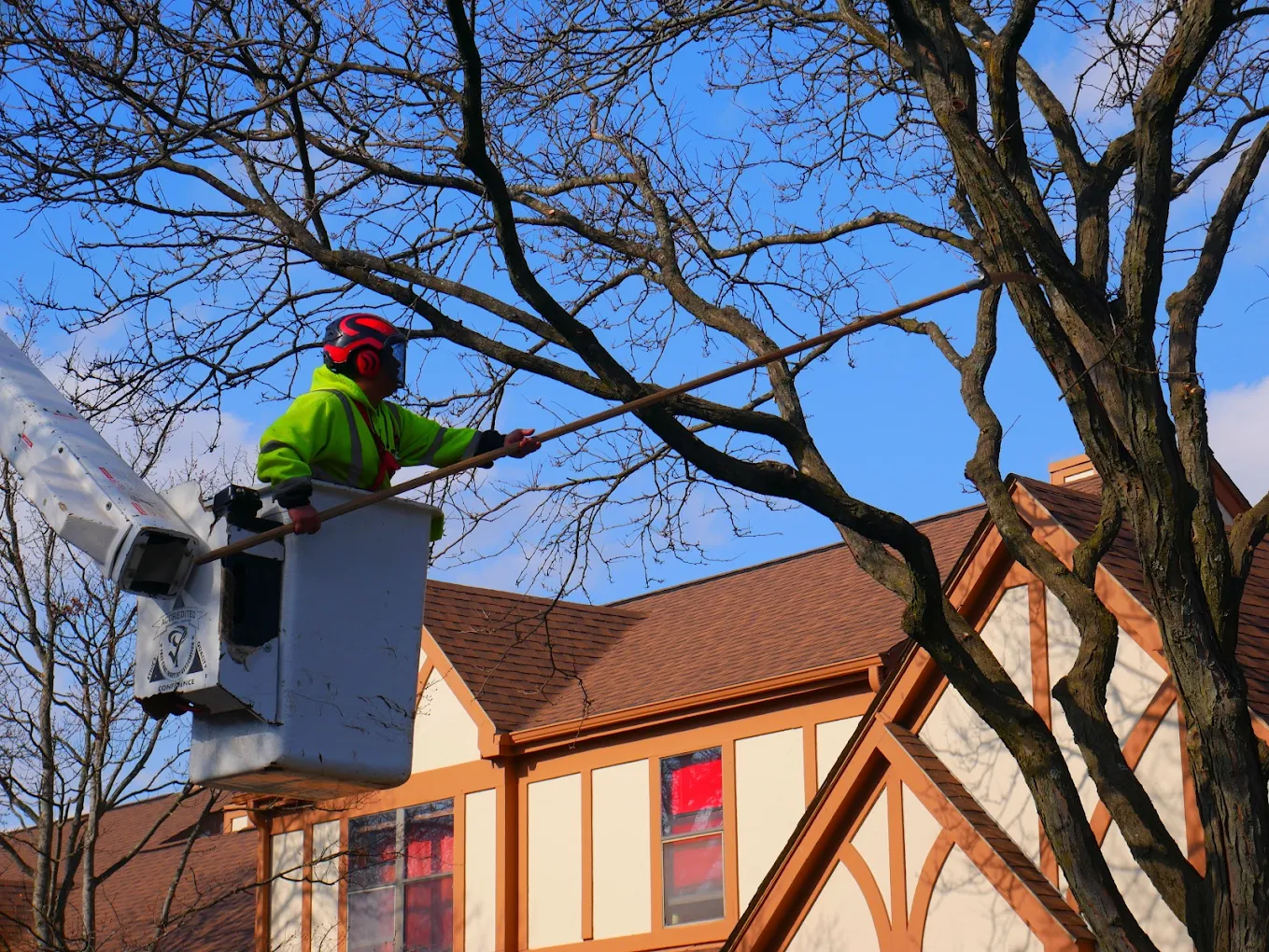
Lots of Chicagoland homeowners ask if fall is really the right time to prune their trees. Honestly, getting the timing right for pruning is super important for how long and how well your trees live, especially with our wild Illinois weather. If you prune at the wrong time, you can really stress out your trees, making them easy targets for diseases and pests. That can mess up their structure and how good they look. This guide explores the details of fall tree pruning, helping you decide what’s best for your yard.
Figuring Out the Best Time for Fall Tree Pruning
The whole debate about fall tree pruning often comes from people not really understanding how trees work or their seasonal cycles. While you can prune for specific reasons any time of year, the dormant season, which usually runs from late fall to early spring, is generally when you want to do the big structural cuts. But "fall" is a pretty big window, and timing within it is crucial. Once leaves start to drop and trees go dormant, their metabolism slows way down. This means they’re less stressed by pruning cuts, and there’s a lower chance of diseases spreading, since most pathogens aren’t as active when it’s cold.
With no leaves, the tree’s structure is clear, so an ISA-certified arborist can easily spot dead, diseased, or crossing branches. This clear view means more accurate and effective pruning cuts, which are key to healthy growth and avoiding future problems. Early fall, when trees are still dropping leaves, probably isn’t the best time for a lot of pruning. The tree’s still using energy to shed those leaves, which makes it more vulnerable to stress. So, I’d say waiting until late fall, once everything’s fully dormant, is usually the smarter way to go for big pruning jobs here in Illinois.
When Fall Tree Pruning Can Hurt (and When It’s Actually Okay)
Sure, dormancy is ideal, but pruning too early in the fall can sometimes do more harm than good. Pruning actually tells the tree to grow, and if you make fresh cuts while it’s still active, it can encourage new shoots that won’t have enough time to toughen up before winter’s freezing temperatures hit. These fresh growths are super vulnerable to frost damage, which just stresses the tree more and opens the door for pests and diseases. For instance, pruning oak trees in early fall really ups their risk for Oak Wilt, a nasty fungal disease common in the Midwest that spreads fast through open wounds when it’s warmer.
That said, not all fall tree pruning is bad. Taking out dead, dying, or dangerous branches in the fall, no matter if the tree’s dormant or not, is often just a necessary safety thing. These branches are a risk to both your property and people, and you really should deal with them right away. For example, after a big autumn storm, you might find broken limbs. Dealing with these immediate safety issues through targeted tree trimming is just smart. Our team at Winkler Tree & Lawn Care always puts safety first and will tell you if emergency pruning is a good idea, even if it’s outside that perfect dormant window. It’s about balancing immediate risk with keeping your tree healthy long-term.
Late Fall and Winter: The Sweet Spot for Pruning
From late fall, after all the leaves have fallen, right up to early spring, before buds start to break, is what most people consider the absolute best time for most major pruning. This dormant season offers a few big advantages that are great for a tree’s health and recovery. First off, no leaves means you get a much clearer look at the tree’s whole structure, making it easier to spot branches that need to go for looks, health, or safety. Second, deciduous trees aren’t as likely to get bug infestations or diseases during dormancy because pests and pathogens aren’t as active in cold weather. That really cuts down on the risk of infections getting into pruning wounds.
Also, during dormancy, trees have stored up energy reserves in their roots and woody parts. When you make pruning cuts, the tree can use these reserves efficiently to close off the wounds and start healing without having to use extra energy for leaf production. This helps wounds close faster and better, which means less chance of decay. For trees like crabapple or lilac that flower on old wood, dormant pruning helps keep those blooms coming while encouraging strong new growth. Honestly, talking to an ISA Certified Arborist from Winkler Tree & Lawn Care can give you specific advice on the best timing for your particular trees here in the Chicago area. It’s how you make sure your trees stay as healthy as possible.
What About Specific Tree Types and Fall Pruning?
Honestly, not every tree reacts to fall pruning the same way. Some species really have their own best pruning times that don’t quite fit the usual dormant season rule. Take maples, birches, or elms, for instance: they tend to ‘bleed’ a lot of sap when pruned. For those, it’s smarter to prune in late summer or early winter to avoid that heavy sap flow. While a little sap isn’t usually bad for the tree itself, it can freak homeowners out and might attract certain bugs. And don’t forget fruit trees; they often have super specific pruning schedules to give you the most fruit and keep them healthy, sometimes needing summer pruning on top of dormant season work. It’s tricky stuff.
Flowering trees also have their own quirks. If they bloom in spring, like dogwoods and magnolias, you should prune them right after they’ve finished flowering, usually late spring or early summer. Pruning them in the fall? That’d just snip off all the flower buds that grew over the summer, meaning way fewer blooms next spring. On the flip side, summer bloomers, like crape myrtles or chaste trees, are perfectly fine to prune during the dormant season, which includes late fall. Understanding these species-specific requirements is crucial for good tree care. Our arborists know tons about the different tree types common here in Illinois and can tell you exactly when to prune each tree on your property, making sure they thrive for years to come.
Key Tools and Methods for Good Pruning
Good fall tree pruning isn’t just knowing when to cut; you also need the right tools and methods to get clean cuts and keep your trees healthy. Using sharp, clean tools is super important to lessen damage to the tree’s tissues and stop diseases from spreading. Dull tools can tear bark, creating nasty wounds that take ages to heal and are more likely to get infected. For small branches, hand pruners or loppers are usually enough. If you’ve got bigger branches, you might need a hand saw or pole saw. Professional arborists, like those at Winkler Tree & Lawn Care, use special gear like chainsaws and lifts to handle bigger or hard-to-reach limbs safely and efficiently. Honestly, it makes a huge difference.
Getting the cuts right is just as important. Every cut should happen right outside the branch collar, that slightly swollen area where the branch meets the trunk or a bigger limb. This collar has special cells that help the wound close up. Cutting too close to the trunk (a ‘flush cut’) can make a bigger wound that struggles to heal, while leaving a stub can lead to rot and bug problems. When you’re taking off bigger branches, we often use a three-cut method to keep the bark from tearing. This means an undercut, then a top cut further out, and finally the last cut right outside the branch collar. Sticking to these precise methods during fall tree pruning really helps minimize stress on the tree and boosts its natural healing power.
Why an ISA Certified Arborist is Key for Fall Tree Pruning
Hiring an ISA Certified Arborist for fall tree pruning is a smart move for your landscape’s health and safety. These pros truly get tree biology, pest management, and proper pruning techniques, all backed by tough certification. An arborist can accurately check out your trees, spot potential problems, and put together a custom pruning plan. This plan considers the specific type, age, and health of each tree, plus where it sits on your Chicago property. They know exactly when fall tree pruning helps and when it’s best to skip it for certain species or situations.
An ISA Certified Arborist doesn’t just make cuts; they look at the tree’s overall structural integrity. Their goal is to make it look better, help it grow strong, and cut down on risks. They can spot subtle signs of disease or bug infestations that most people would miss, jumping in early to stop big problems. Also, professional arborists have the right safety gear and insurance, protecting everyone during risky jobs. For folks in Oak Park, River Forest, and other Cook County communities, Winkler Tree & Lawn Care provides expert fall tree pruning services, making sure your trees get the best possible care from accredited professionals. Our peer-review process guarantees the highest standard of care for your trees.
Taking Care After Pruning for Long-Term Tree Health
After fall tree pruning, good aftercare is super important to help your trees bounce back fast and keep thriving. While trees are naturally tough, supporting their healing process can really boost their long-term health. A common mistake people make is thinking pruning wounds need tree paint or wound dressing. But modern tree research suggests these dressings are usually pointless and can even mess with the tree’s natural healing process, trapping moisture and causing decay. So, the best thing to do is just let the wounds heal on their own.
Enough water and food can also help them recover. Making sure trees get enough water, especially if fall is dry, helps them build up energy again. A balanced fertilization program, based on soil analysis, can also provide essential nutrients for strong growth and healing. Our plant health care (PHC) programs offer an overall approach to tree nutrition and protection from pests and diseases. Plus, it’s important to regularly check for signs of stress, disease, or bugs after pruning. Catching things early means you can act fast, keeping your tree healthy. By using thoughtful fall tree pruning methods and consistent aftercare, you’re investing in the health, beauty, and safety of your valuable landscape for years to come. It’s a big deal, honestly.
Why Dormant Season Pruning is a Good Idea
Honestly, picking the dormant season for fall tree pruning, especially late fall and winter, does a lot of good for your trees’ health and how they look. During this time, trees are basically napping, which means they can handle the stress of pruning much better. A big plus is better structural integrity. By getting rid of weak, crossing, or dead branches, an arborist can really improve the tree’s architecture, making it tougher against the strong winds and heavy snowfalls we often see in the Midwest. This helps prevent branches from breaking later, keeping your property safe.
Also, good dormant pruning can kickstart strong, healthy growth in the spring. If you’re selective about which branches to remove, you’re basically telling the tree to put its energy into growing stronger limbs and a fuller canopy. What’s more, it can boost air circulation inside the tree’s crown, which is super important for cutting down on fungal diseases. And let’s not forget how much better your yard will look; a tree that’s been pruned well just has a more appealing shape, adding to your landscape’s overall beauty and value. So, making the strategic choice to prune in the fall during dormancy is a smart move that leads to healthier, stronger, and prettier trees.
Frequently Asked Questions
Is fall tree pruning always the top choice for every tree?
No, fall tree pruning isn’t always the perfect fit for all trees. While late fall and winter dormancy work great for many types, some, like spring-flowering trees, are best pruned after their blooms fade to save next season’s flowers. Trees that bleed a lot or are prone to certain diseases also need specific timing.
What happens if you prune too early in the fall?
If you prune too early in the fall, while trees are still actively growing, you might encourage new growth that won’t toughen up before winter, leading to frost damage. It can also make trees more open to pest problems and diseases, since fresh cuts are easy entry points when pathogens are still active.
How does fall tree pruning affect a tree’s winter health?
Actually, doing fall tree pruning during dormancy helps a tree stay healthy through winter. It gets rid of weak or diseased branches that could otherwise snap under snow or ice. Plus, it encourages the tree to save energy, getting it ready for strong growth the following spring.
Do you need wound dressing after pruning your trees in the fall?
Generally, no. Modern tree care advice tells us not to use wound dressings. Trees have their own natural ways to seal off wounds, and dressings can sometimes get in the way of this process by trapping moisture and causing decay.
So, when should you call a pro for fall tree pruning around Chicagoland?
Honestly, if you’ve got big trees, need some serious structural work done, think there might be a disease brewing, or just aren’t sure about the right way to prune your particular tree species, you should definitely call an ISA Certified Arborist from Winkler Tree & Lawn Care. Our experts make sure everything’s handled safely and effectively.
Conclusion
Thinking about fall tree pruning for your Chicagoland yard is a smart move, but only if it’s done right and at the perfect time. While pruning too early in the fall can actually make new growth vulnerable, doing a complete fall tree pruning during the dormant season (that’s late fall through early spring) offers some really big benefits for your tree’s health, shape, and overall look. By knowing what your specific tree species needs, using the right tools and methods, and trusting your trees to an ISA Certified Arborist, you can make sure they stay healthy, safe, and beautiful for years to come. For expert advice and professional tree care, including precision fall tree pruning in Chicago, Oak Park, or anywhere in Cook County, just give Winkler Tree & Lawn Care a shout. We’re truly dedicated to keeping your property looking its best.
