
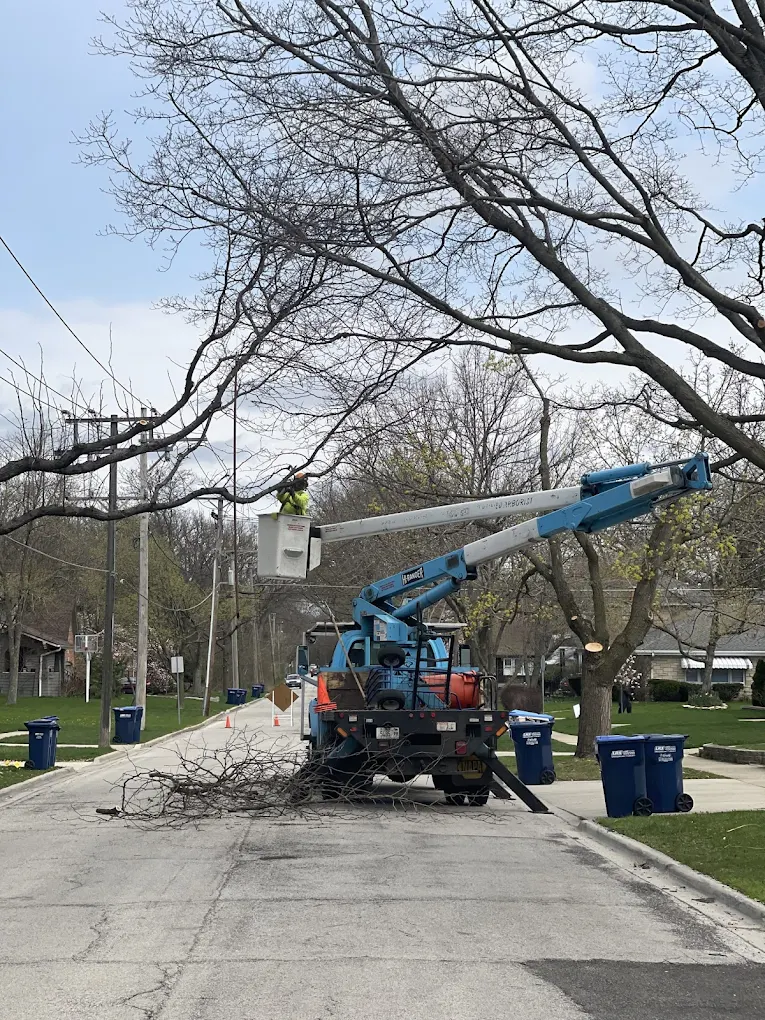
Preparing your yard for the colder months is a big part of being a responsible homeowner, especially here in Chicagoland. Trimming your trees properly before winter hits isn’t just about making them look good; it’s a really important preventative step that keeps them healthy, safe, and around for a long time. Skip this crucial maintenance, and you’re looking at some serious headaches once the ice, snow, and strong winds show up. Spotting the signs that your trees need attention now can save you a ton of trouble and cash later on.
Winter conditions can make trees more vulnerable to damage, so proactive trimming helps them withstand harsh weather. Investing in trimming ahead of time makes sure your trees are strong enough for bad weather, cutting down risks to your property and loved ones. Let’s look at the main things that tell you it’s time to call in the pros for tree trimming.
Why Does Pre-Winter Tree Trimming Matter So Much?
The time right before winter really sets in is actually the perfect window for tree trimming. Lots of deciduous trees have already lost their leaves then, which makes it way easier for ISA-certified arborists to get a good look at the tree’s overall structure and spot any problems. Plus, trimming in late fall or early winter puts less stress on the tree, helping it grow healthier once spring rolls around. This smart timing just fits right into many tree species’ natural cycles, giving them a better shot at long-term vitality, if you ask me.
Preparing trees for winter isn’t just about looks; it’s about reducing risk. Weak, dead, or diseased branches are way more likely to break when snow and ice pile up, which is a huge hazard. These falling branches can smash into homes, cars, or even hurt people. So, a complete tree trimming before winter acts as a critical safeguard, protecting your valuable stuff and keeping everyone on your property safe.
Spotting Dead or Dying Branches: A Key Signal for Winter Trimming
If you notice dead or dying branches, that’s one of the clearest, most urgent signs your trees need professional help. These branches pose a genuine safety risk, especially as winter approaches. Strong winds, heavy snow, and ice can easily cause these weak limbs to snap off and fall, potentially damaging your property or causing injuries. Honestly, it might even be easier to spot these issues once the leaves have dropped, revealing their brittle, lifeless state.
Dead branches often look gray or brown, with no leaves, and sometimes even peeling bark. These branches also invite pests and diseases, which can then spread to healthier parts of the tree. Addressing these issues through expert tree trimming before winter is super important. An ISA-certified arborist can correctly identify and safely remove these dangerous limbs, stopping further decay and protecting the tree’s overall health. Getting them out of there in time also cuts down on the chance of the tree breaking apart during bad weather. This process, often combined with targeted plant health care (PHC) treatments, is crucial for integrated pest management.
Branches Too Close? Check Your Home or Power Lines
Another really important indicator that you need to trim your trees before winter is when branches are growing too close to your house, other buildings, or utility lines. If they’re too near your home, you could run into a bunch of problems. For instance, they might scrape against your siding or roof, possibly causing damage and even giving pests an easy way into your attic. Beyond that, heavy winds or snow can cause these branches to break and smash into your property.
Honestly, branches too close to power lines aren’t just a nuisance; they’re a serious safety hazard. If they touch utility lines, you could be looking at power outages, electrical fires, or even electrocution. While utility companies typically handle trimming around their immediate lines, it’s really up to you, the property owner, to manage trees outside that specific zone. Getting your trees professionally trimmed before winter ensures these risks are addressed. An experienced arborist knows exactly how to safely remove or prune branches in these tricky spots, keeping things clear and protecting your home and power setup. Often, you’ll need emergency tree removal services when these problems become urgent.
Weak or Sick Limbs: A Major Threat to Your Tree’s Well-being
If you’ve got weak or diseased limbs, that’s a big red flag that needs your attention when you’re thinking about tree trimming before winter. Unlike dead branches, sick ones might still have some leaves, but they’ll look clearly distressed: think discolored leaves, cankers, weird growths, or fungal infections. These issues mess with the branch’s structure, making it super likely to snap during winter storms. Diseases can also spread from infected branches to healthy ones, potentially harming the entire tree or nearby plants, which is something you definitely want to avoid.
Spotting these problems can be tough if you’re not trained, I know. But an ISA-certified arborist has the know-how to figure out what’s wrong with your trees and suggest the right way to prune them. By carefully cutting out diseased parts, professional tree trimming before winter helps stop pathogens from spreading, gets air moving better through the canopy, and helps the tree heal itself. This ahead-of-time approach not only keeps your tree healthy but also makes it tougher against environmental stresses. It’s truly a smart move for long-term tree vitality.
See Any Pests or Signs of Infestation?
Even though pests aren’t as active in winter, if you spotted any pest problems during the warmer months, that’s a pretty clear sign your trees need trimming before the cold sets in. Things like aphids, borers, or mites can seriously weaken branches and hurt your tree’s overall health. You might’ve noticed weird holes in the bark, something that looks like sawdust, distorted or chewed-up leaves, or even the bugs themselves on the branches or trunk. While many insects do go dormant for winter, the damage they’ve already caused remains, making those affected limbs weaker and way more likely to snap under pressure.
Often, infested branches get removed during fall or early winter pruning. Professional tree trimming before winter can help get rid of heavily infested sections, cutting down the overall pest population and stopping them from spreading to healthy parts of the tree. This process, often combined with targeted plant health care (PHC) treatments, is crucial for integrated pest management. An arborist can check how bad the infestation is and tell you the best plan to protect your trees.
Overlapping Branches? Let’s Prevent Damage.
Crossing or rubbing branches might seem like a small thing, but honestly, they can cause major long-term damage if you don’t deal with them by trimming your trees before winter. When two branches constantly rub, that friction can scrape off their bark, creating open wounds. These wounds don’t just weaken the branches; they’re also easy entry points for pests and diseases, which can slowly kill your tree. And when winter brings strong winds and heavy snow, all that constant movement just makes severe rubbing and damage even more likely, which I’ve seen happen far too often.
Getting those crossing branches handled by professional tree trimming before winter really helps stop wounds and encourages healthier growth. An arborist will truly examine your tree’s structure, then figure out which branch to remove. They’ll always prioritize the tree’s health and best growth. Strategic tree pruning here in Chicago not only makes your tree look better, but it also drastically cuts down on future structural issues and diseases. Honestly, it’s a smart move to keep your tree canopy strong and healthy.
Is Your Tree Leaning or Looking Different? Pay Attention!
Any noticeable shift in your tree’s structure or if it starts to lean is a serious warning sign that screams for expert tree trimming before winter. A lean, whether it’s sudden or slowly developing, can point to bigger issues like root problems, unstable soil, or the tree’s weight being unevenly distributed. As winter closes in, heavy snow and ice can dump a huge load on an already struggling tree, making it super vulnerable to a catastrophic failure. Imagine the tree just falling over completely; that could cause massive property damage or put people in serious danger.
If you’re dealing with trees that are noticeably lopsided, getting them strategically trimmed before winter is often the answer. An ISA-certified arborist can really dig into your tree’s health and stability, figuring out exactly why it’s leaning or structurally weak. They might suggest specific pruning techniques to balance the crown, make it less prone to wind damage, or cut back those heavy, overgrown limbs that are causing it to list. This specialized care helps spread the weight more evenly, making the tree much more stable and seriously reducing the chance of it collapsing during winter storms.
Not Enough Sun or Air Moving Through the Branches?
While not as alarming as, say, dead branches, if your tree’s canopy is blocking too much sunlight or has poor airflow, that’s a clear signal it needs a trim before winter. A thick, overgrown canopy can totally prevent vital sunlight from reaching lower branches and any plants underneath, stunting their growth. And bad air circulation? That just makes the tree damp, creating the perfect breeding ground for fungi, mold, and other plant diseases. This can lead to sickness that slowly weakens the tree.
Smart tree trimming before winter, often called thinning, helps fix these problems. A good arborist can carefully take out inner branches to open up the canopy. This lets more light in and gets the air moving better. Not only does this help the whole tree grow healthier, but it also makes it tougher against wind damage because air can pass through instead of hitting a solid wall. This preventative tree care is essential for a lively, healthy landscape, making your trees more resilient against winter and ensuring robust spring growth.
Frequently Asked Questions
When’s the best time to get trees trimmed before winter really hits?
Honestly, the ideal time to trim trees before winter usually falls in late autumn. That’s after all the leaves have dropped but before things get really freezing. This timing lets arborists clearly see the tree’s structure and puts less stress on the tree since it’s dormant.
What are the big perks of trimming trees before winter?
The key benefits include removing dangerous dead or weak branches, reducing the risk of winter storm damage, improving overall tree health, and enhancing structural integrity. It also promotes healthier growth in spring, making it a practical safety and health measure for your yard.
Can I just trim my trees myself, or should I call a pro?
Look, while you might be able to handle a little snip-snip on small branches, I’d really recommend professional tree trimming for safety and to make sure it’s done right. ISA-certified arborists have the know-how, the gear, and the insurance to prune trees safely and correctly. This is especially true for big trees or any near power lines.
How Frequently Should I Get My Trees Trimmed?
How often you should trim your trees really depends on their species, age, and overall health. Generally, though, mature trees usually do well with a trim every three to five years. Younger trees, on the other hand, might need shaping more frequently to help them grow strong. Honestly, your best bet is to get an arborist to create a custom maintenance plan just for your yard.
What Happens If You Don’t Trim Your Trees Before Winter?
If you skip trimming your trees before winter, you’re looking at a much higher chance of branches breaking under snow and ice. That’s not just a mess, it could seriously damage your property. Plus, it makes your trees more open to diseases and pests, which eventually just leads to them getting sicker and dying sooner. And I’ve seen it create really dangerous situations for people too, believe me.
Conclusion
Keeping your trees healthy and safe is a year-round job, but getting them trimmed before winter is super important, especially if you’re in Chicagoland. By knowing the seven key signs we talked about, everything from dead branches to weird structural changes, you can protect your yard, your home, and your peace of mind. Regular, professional tree maintenance doesn’t just guard against problems; it also helps your trees stay vibrant and beautiful for years. Don’t wait for the first winter storm to show you what’s weak; get your trees trimmed now so they’re ready for whatever the cold months throw at them. Give Winkler Tree & Lawn Care a call today for an expert assessment and to get your trees prepared.
