
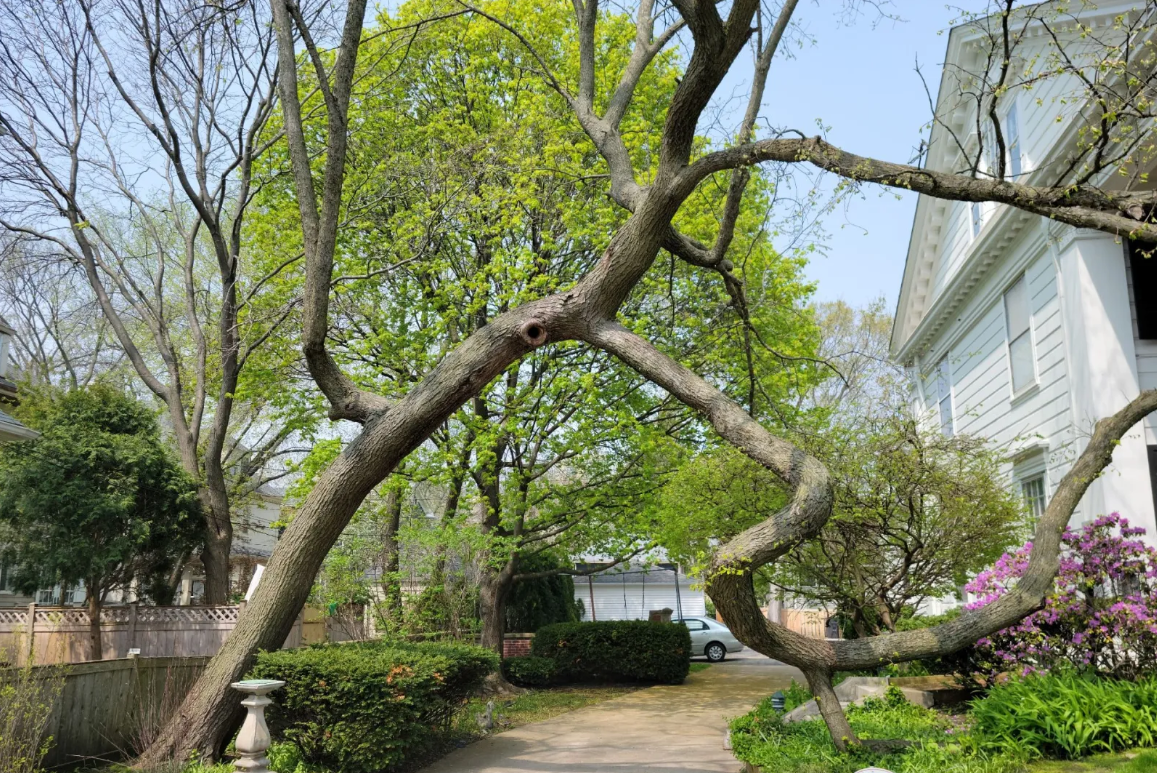
A heavy storm can turn a sick or unstable tree into a dangerous hazard that threatens people, property, and infrastructure. Many homeowners in the Chicago area do not recognize the early warning signs that a tree may fail during high winds or saturated soil, and waiting until a storm hits often forces emergency action.
When a tree fails, the damage can be costly and the risk to life is real. Even trees that look healthy on the surface can have hidden structural decay, root failure, or internal cracks that make them likely candidates for failure in severe weather.
Identifying seven common signs of imminent tree failure helps homeowners and property managers decide when to act and when to ask a trained professional for an assessment. This guide explains the most reliable indicators that you should consider tree removal Chicago before the next storm, how to prioritize risks, and when to call for urgent help.
When Should You Consider Tree Removal in Chicago?
You should consider tree removal Chicago when a tree presents a clear risk to people or structures. If a tree has visible, active structural problems or is in a position where failure would likely strike a home, vehicle, or frequently used pathway, removal is often the safest option.
Assessing the probability of failure involves looking at trunk condition, root stability, branch attachments, and the tree’s position relative to nearby structures. In urban neighborhoods around Chicago, prompt decisions about removal reduce exposure to hazards during storms and heavy winds.
So, what warning signs should you look for? The following seven conditions can indicate that a tree needs professional attention before the next storm.
1. Large Cracks or Splits Are Visible in the Trunk
Cracks that run vertically or horizontally through the trunk can indicate serious structural weakness and are common precursors to collapse. Split trunks and included bark at branch unions can also weaken load-bearing attachments and lead to unpredictable breakage under stress.
If you observe a growing gap between trunk sections or a V-shaped junction with compressed bark, the tree’s internal support may have deteriorated. These problems deserve closer inspection before heavy winds place more stress on the tree.
2. The Tree Has Developed a New or Increasing Lean
A tree leaning suddenly or progressively can signal a compromised root plate or one-sided root loss, which increases the chance of toppling in high winds.
A new lean is especially concerning when the tree points toward a house, garage, driveway, sidewalk, or another frequently used area. Repeated inspection during wet or windy seasons is important because leaning can worsen once root or wood integrity has been compromised.
3. Dead Wood and Extensive Crown Dieback Are Increasing
When large portions of the crown are dead or multiple major limbs are lifeless, the tree can drop heavy branches without warning and may not recover.
Crown dieback that progresses year to year suggests the tree is declining, possibly from root disease, pest infestation, or prolonged environmental stress. If pruning cannot restore the tree to a stable condition or the decline is widespread, removal may become the safer long-term choice.
Consulting a certified arborist Chicago homeowners trust can help determine whether the tree is salvageable or presents an ongoing hazard.
4. Fungal Growth or Decay Is Appearing on the Tree
Fungal conks or mushrooms at the base or on the trunk can indicate internal decay and structural weakness. These visible signs can mean that wood strength has already declined beneath the surface.
Large cavities, soft wood, and areas of advanced decay are also reasons for concern. When decay affects major structural areas of the tree, the risk of mechanical failure can increase during storms.
5. The Tree Has Serious Storm Damage
Storm damaged trees with broken limbs, split trunks, or uprooting may need urgent evaluation. Partially attached or hanging branches create immediate strike hazards, and large splits caused by lightning or wind can destabilize the remaining tree during later weather events.
Professional crews may stabilize or remove storm damaged trees depending on the extent of damage and the tree’s prospects for recovery. If a tree is highly unstable after a storm, emergency tree removal services may be necessary to reduce immediate risks.
6. The Tree Poses a Growing Risk to Nearby Structures
Trees located near homes, garages, utilities, or high-traffic areas can require removal even when symptoms appear moderate.
When a tree is close to a structure or above a frequently used area, the consequences of branch or trunk failure become more serious. Even moderate decay or a compromised limb over an occupied space can warrant professional evaluation.
Urban properties in La Grange Park and surrounding Chicago neighborhoods often have limited space between mature trees and structures. Property owners should watch for trees leaning toward buildings, repeated limb falls onto roofs, and visible decay near major attachment points.
7. Root Damage or Soil Movement Is Affecting Tree Stability
Repeated root damage, soil displacement, or visible movement around the tree’s base can indicate a loss of stability.
Roots that girdle the trunk, heave pavement, or are repeatedly damaged by construction can affect the tree’s long-term health and structural support. When roots are cut, compacted, diseased, or confined, their ability to anchor the tree can decline.
Root problems can also limit water and nutrient uptake, which contributes to crown dieback and further decline. If the root system cannot be restored to a safe condition, removal may be necessary to eliminate the ongoing hazard.
Can Professional Tree Care Prevent Removal?
In some cases, yes. Appropriate pruning removes weight from vulnerable limbs, corrects weak branch attachments, and improves wind resistance, which can extend a tree’s safe life in an urban setting.
Plant health care can also address disease, pest problems, and other conditions contributing to decline. When pruning is the appropriate corrective approach, trained professionals can remove hazardous growth without creating unnecessary wounds or destabilizing the tree.
If the tree is already beyond recovery, removal remains an option. A professional assessment can help distinguish a tree that needs corrective care from one that presents an unacceptable risk.
Related Resources for Next Steps
For more detail, review Winkler Tree’s tree removal services page and its professional tree pruning resource before making a final plan. These pages provide additional context about the services and decisions discussed above while keeping the focus on what applies to your property and priorities.
You can also explore emergency tree removal services when urgent storm damage affects your situation. For independent background, International Society of Arboriculture storm-damage guidance provides educational information about assessing storm-damaged trees.
Frequently Asked Questions
1. When Is a Tree Considered an Emergency Threat After a Storm?
A tree is an emergency threat if it is leaning on a home, has large hanging limbs above occupied areas, or if roots have lifted and exposed the trunk. Winkler Tree in La Grange Park, IL evaluates these conditions to determine if immediate action is required.
Emergency situations are assessed based on severity, potential targets, and the likelihood of further failure during changing weather. If stabilization is not possible, removal may be the safest course.
2. How Can I Tell if a Tree Needs Pruning or Removal?
Pruning is appropriate when issues are limited to a few branches, minor structural defects, or crown clearance needs. Removal is considered for extensive decay, major structural failure, or unacceptable risk to people and property.
Winkler Tree in La Grange Park, IL recommends a detailed inspection to distinguish between corrective pruning and irreversible damage. An assessment considers crown condition, trunk integrity, and root health before a recommendation is made.
3. Are Permits Required for Tree Removal in La Grange Park, IL?
Permit requirements vary by municipality and can depend on species, tree size, and whether the tree is in a public right of way or protected area, so checking local ordinances is an important step.
Winkler Tree in La Grange Park, IL can help customers understand permit processes and typical documentation needed. Knowing the local requirements before work begins can prevent unnecessary delays.
4. Should I Request an Inspection From a Certified Arborist?
A certified arborist can assess tree health and structural risk and determine whether options such as pruning or treatment are practical before removal is considered.
Winkler Tree in La Grange Park, IL can coordinate arborist evaluations to clarify whether removal or continued tree care is the appropriate path. Certified arborist Chicago credentials indicate training in tree biology, risk assessment, and industry practices.
Know the Signs Before the Next Chicago Storm
Trees rarely become hazardous overnight. Trunk cracks, a new lean, crown dieback, fungal growth, storm damage, proximity to structures, and root instability can all provide warning that a tree needs closer attention.
Homeowners in La Grange Park, IL and the surrounding Chicago area can use these seven signs to identify potential problems before severe weather places additional stress on a weakened tree.
Get Professional Tree Removal Help in La Grange Park, IL
Winkler Tree provides professional assessments and tree care for properties in La Grange Park, IL. If you are dealing with storm damaged trees, structural defects, root problems, or another potential hazard, the team can evaluate the condition and explain whether pruning, continued care, or removal is appropriate.
Visit the Winkler Tree website to learn more about available services or use the contact form to request professional assistance.
